Clients ask us about staining the underside of their decks all the time. It usually comes from one of two places: they want the deck to look better, or they want it better protected.
Both are good instincts. Deck maintenance genuinely determines how long a deck lasts. But on this particular question, the intuitive answer is the wrong one, and it is worth understanding why.
Is it okay to stain underneath your deck?
Decks give you more living space and get you outside more, and they are trickier to maintain than most people expect. They are almost always wood, built above ground, exposed on every side.
Because they are wood, protecting them from moisture is the whole game. That is why staining your deck on a regular cycle matters so much: staining the horizontal boards and the railings keeps moisture from soaking in.
If water penetrates the surface of the boards, they swell. So sealing the underside must help too, right?
Not exactly. This is a less-is-more situation. Staining the underside of the boards ends up trapping water inside them.
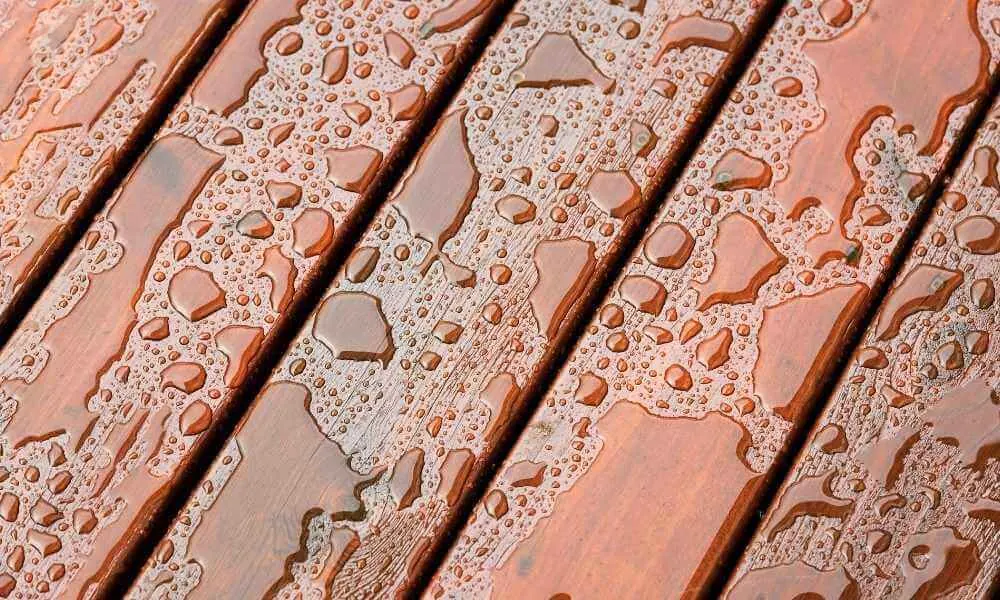
Here is the mechanism. Stain is designed to create a barrier between the wood and moisture. That is why water beads and pools on a freshly stained deck rather than soaking in.
On the top of the deck, that is precisely what you want.
What happens if you stain the underside
Seal the underside and you create a second moisture barrier, which traps water inside the boards and rots them at an alarming rate.
The water gets in regardless, because the walking surface is full of fasteners. Small amounts work their way in around every nail and screw head. If the bottom of the board is sealed as well, that water has nowhere to escape to.
Trapped water leads to rot, and rot means replacing the deck rather than recoating it.
Quick deck maintenance tips
A few things worth doing, straight from the crews:
- Rinse the deck off at least once a year with a light pressure wash or a hose.
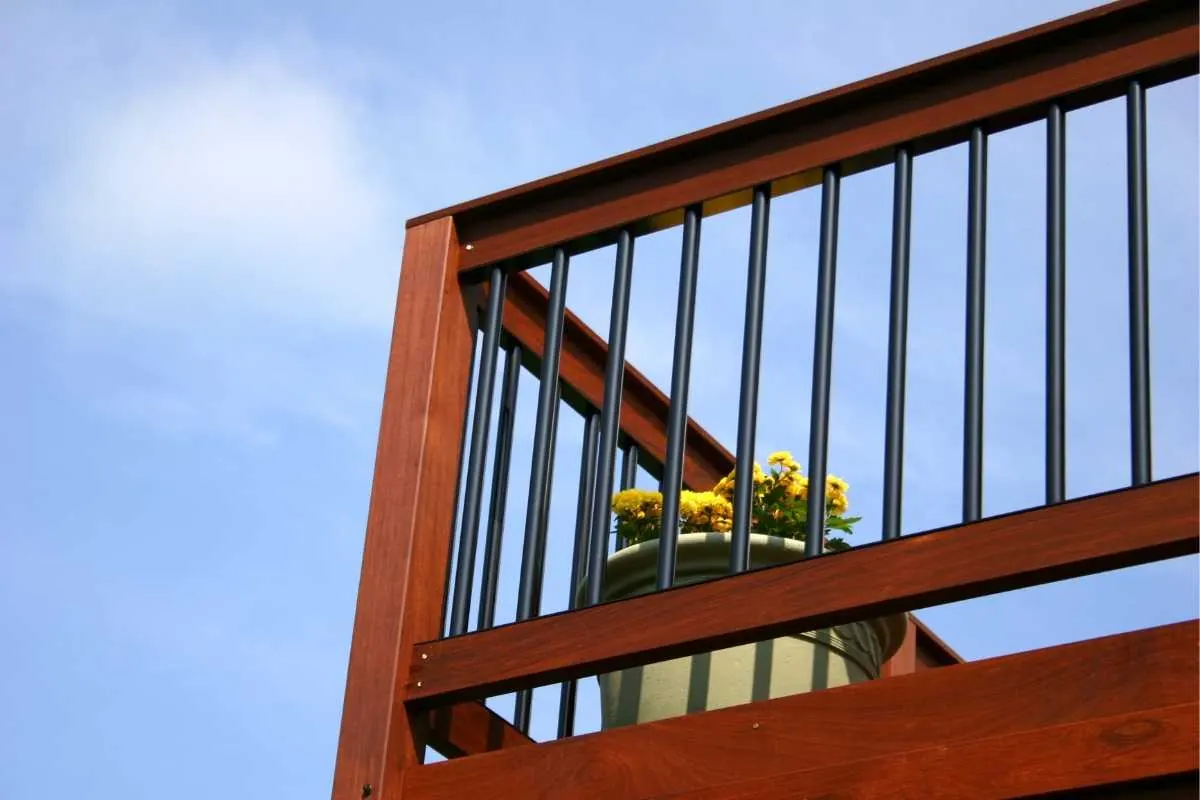
- Stay on top of staining the deck, including floorboards, railing and spindles.
- Consider an outdoor rug in high-traffic spots for a bit of extra protection.
To avoid long-term damage, focus on staining walking surfaces, steps, railings and spindles. That protects everything the weather and your feet actually reach, while leaving the underside free to breathe so any moisture that gets in can evaporate back out.
If you are not sure how best to care for your deck, talk to a professional before making a mistake that is expensive to undo.
For stain colors we like, have a look at our guide to the best stain colors for decks, or see how a stain and a paint actually compare in deck paint vs stain. There is more on Instagram too.
Frequently asked questions
Should you stain the underside of your deck?
No. It sounds like extra protection, and it does the opposite. Stain creates a barrier between the wood and moisture, so sealing the underside traps any water that gets in from above rather than letting it evaporate out.
How does water get into the boards if the top is stained?
Through the nail and screw heads. Small amounts of water work their way in around the fasteners on the walking surface. If the top is sealed and the bottom is sealed too, that water has nowhere to go, and trapped water is what causes rot.
Which parts of a deck should be stained?
The walking surfaces, steps, railings and spindles. That protects everything exposed to weather and foot traffic while leaving the underside open so the boards can breathe and any moisture can evaporate.
How often should a deck be cleaned?
Rinse it off at least once a year with a light pressure wash or a hose, and stay on top of restaining the floorboards, railing and spindles. An outdoor rug in the high-traffic spots adds a bit more protection.
Ready to see it on your walls?
Get a free estimate and a certified color consultation, with no payment until you are 100% satisfied.
Book My Free Estimate